


-

Add: HeBei ShengShi HongBang Cellulose Technology CO.,LTD.
-

Email
13180486930@163.com -

CONTACT US
+86 13180486930
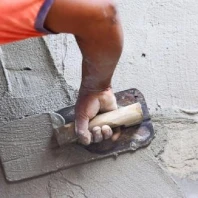
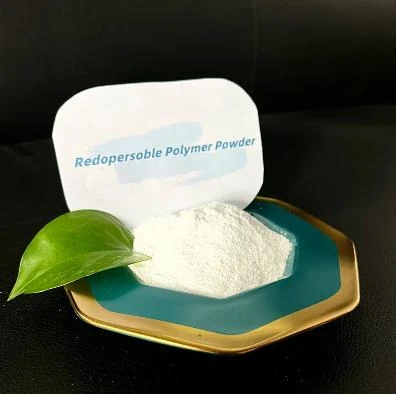


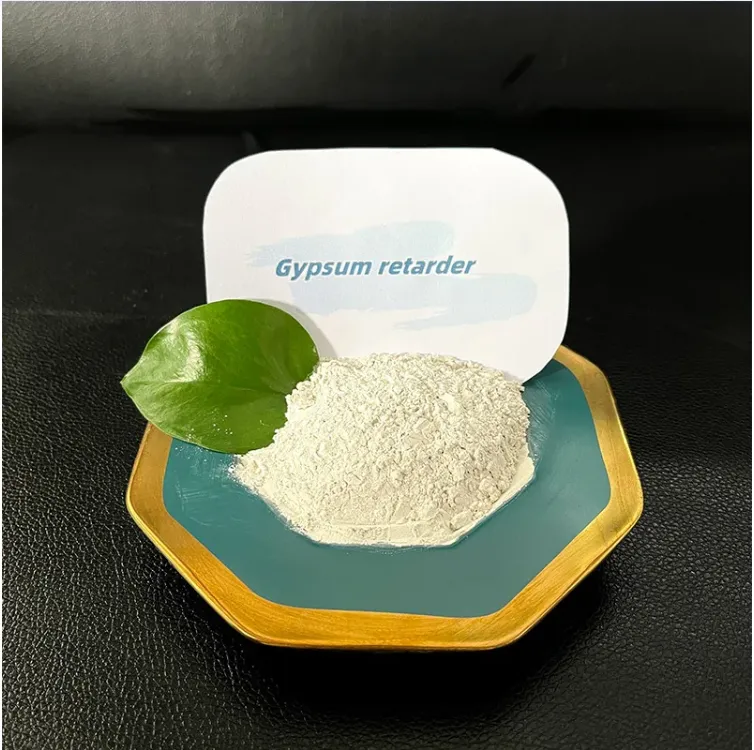
If you’ve ever tried to trowel a ceiling while the mix is racing ahead of you, you know the feeling: panic. That’s why a plaster retarder can be a genuine lifesaver on site. In fact, the right blend doesn’t just buy you time—it stabilizes workability so crews can finish cleanly, reduce waste, and hit spec without drama. Industry snapshot Gypsum-based products are booming with prefab panels, skim coats, machine-applied plasters, and fast-turn interiors. Contractors ask for predictable open time and smoother pumpability. Lately we’re seeing bio-based and low-odor chemistries, plus tighter QC aligned to ASTM/EN standards. It seems that brands able to tune set-time windows by application—board jointing vs. decorative moldings—are quietly winning bids. What the product is (and why it works) Gypsum retarder from HeBei ShengShi HongBang Cellulose Technology CO., LTD (Room 1904, Building B, Wanda Office Building, JiaoYu Road, Xinji City, Hebei Province) uses organic carboxylates and protein-modified actives to temporarily slow calcium sulfate hemihydrate hydration. In plain English: it gives you controllable working time without wrecking early strength—assuming, of course, you dose properly. Spec Typical value (≈; real-world use may vary) Form Free-flowing powder Dosage (on hemihydrate) 0.08–0.25% w/w Set-time extension From ~10 min to 35–90 min (ASTM C472/C266) Impact on strength @2h ±5% vs. control (proper dosing) pH (1% solution) 5.0–7.0 Shelf life 12 months, sealed, dry conditions Process flow, methods, and testing Materials : alpha/β-hemihydrate gypsum, water, cellulose ethers, dispersants, and a plaster retarder tailored to substrate and climate. Method : dry blend retarder into powder (preferred) or pre-dissolve in mix water; mix 2–3 minutes; check consistency. Verify set by Gillmore/Vicat needles (ASTM C266/C472) and conformity to EN 13279-1 categories. Service life of finished work is equivalent to control mixes when curing is correct. Industries : interior plastering, prefabricated moldings, gypsum blocks, machine-sprayed plasters, joint compounds, casting studios. Advantages: extended open time, smoother troweling, fewer cold joints, better pumpability, reduced rework. Usage scenarios: hot climates, large wall spans, intricate cornices where fast set ruins detail, or when batching is continuous. Vendor comparison (practitioner’s view) Vendor Certs Customization Lead time Notes HeBei ShengShi HongBang ISO 9001; RoHS-like screening Dosage/tuning by climate & substrate 7–14 days Strong tech support, consistent lots Global Vendor A ISO 9001/14001 Limited SKUs 10–21 days Stable but pricier Regional Vendor B Factory QC only On request 5–10 days Cost-effective; batch variation possible Customization and field cases Customization usually starts with base gypsum type and ambient temperature. Many customers say a plaster retarder tuned for summer cured their “flash set” headaches without over-watering the mix. Case 1 (MENA high-rise interiors) : Machine-sprayed plaster hitting initial set in ~12 min. With 0.15% additive, initial set moved to ~50 min; rework dropped ~30% and finish improved. Case 2 (Decorative casting) : Ornate cornices losing detail. At 0.10% dosage, open time rose to ~40 min, edge fidelity improved; compressive strength at 2 h within +3% of control (ASTM C472). Testing, certifications, and notes from site Tested per ASTM C472 and C266; conformity to EN 13279-1 categories on request. Typical lab data: control initial set 9–12 min; with 0.20% plaster retarder 60–75 min; water demand +1–2%. Storage: keep dry; reseal partial bags. Overdose? Expect slump loss/late strength dip—always run a trial batch. Certifications: ISO 9001 quality system maintained; safety data sheet available. References ASTM C472 – Standard Test Methods for Physical Testing of Gypsum, Gypsum Plasters and Gypsum Concrete. ASTM C266 – Standard Test Method for Time of Setting of Hydraulic-Cement Paste by Gillmore Needles (applicable to gypsum plasters). EN 13279-1 – Gypsum binders and gypsum plasters – Part 1: Definitions and requirements. ISO 9001 – Quality management systems – Requirements.
- 40000tons

Production
- 20+years

Experience
- 5000+㎡

Acreage

-
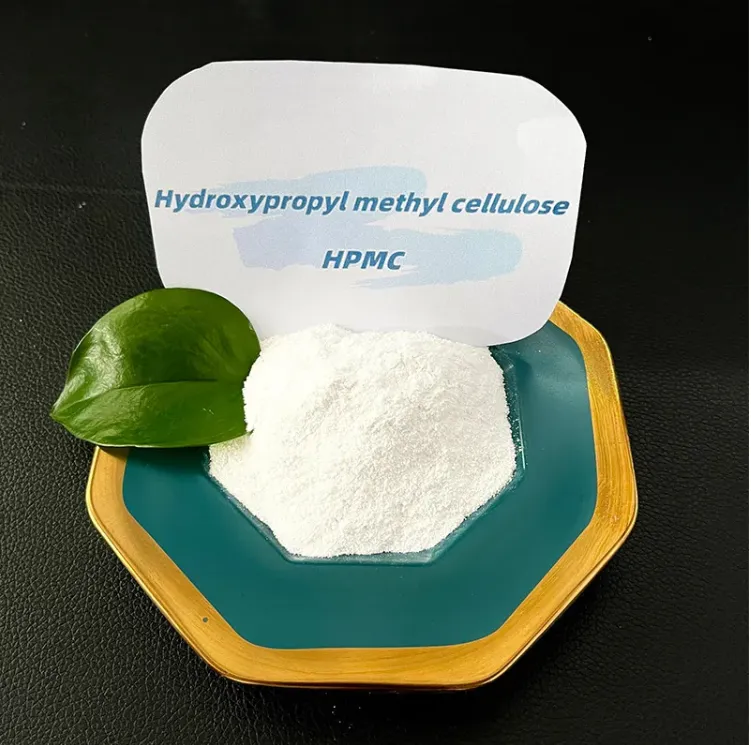
Hydroxypropyl Methyl Cellulose Ether Applications and Benefits Hydroxypropyl methyl cellulose ether (HPMC) is a versatile compound that has gained significant attention in various industries due to its unique properties and wide range of applications. This cellulose derivative, produced by the treatment of cellulose with propylene oxide and methyl chloride, is characterized by its excellent water solubility, film-forming ability, and capacity to modify viscosity. As we explore HPMC, we will delve into its applications, benefits, and future prospects. Properties of HPMC HPMC is a non-ionic, water-soluble polymer that has several advantageous properties. Its viscosity can be modified by altering the ratio of hydroxypropyl and methyl groups, allowing manufacturers to tailor it for specific applications. In addition to its solubility in water, HPMC is also resistant to acids, bases, and fermentation, making it a stable choice for various formulations. It forms a gel upon heating, which then provides a suitable environment for controlled-release applications. These properties make HPMC a key ingredient in pharmaceuticals, food processing, cosmetics, and construction materials. Applications in Pharmaceuticals One of the most prominent uses of HPMC is in the pharmaceutical industry, where it serves as a binder, film former, and controlled-release agent in drug formulations. HPMC is commonly found in tablet formulations, enhancing the uniformity and stability of the active ingredients. Its ability to form a gel at elevated temperatures is particularly useful in developing sustained-release medications, allowing for a gradual release of the drug over time, which can improve patient compliance and therapeutic outcomes. Moreover, HPMC is utilized as a coating agent for tablets and capsules, providing a protective layer that enhances the product’s stability and appearance. In topical formulations, HPMC contributes to the viscosity and texture, improving the feel and application of creams and ointments. The versatility of HPMC in pharmaceuticals underscores its importance in enhancing the efficacy and delivery of medicinal compounds. Role in Food Industry hydroxypropyl methyl cellulose ether In the food industry, HPMC is valued for its thickening, emulsifying, and stabilizing properties. It is used in various food products, including sauces, dressings, and ice creams, to improve texture and consistency. HPMC acts as a fat replacer, offering a creamy mouthfeel without the addition of calories, making it an ideal ingredient in healthier food alternatives. Additionally, HPMC is recognized for its role in gluten-free cooking. It helps bind ingredients together, enhancing the texture of baked goods, which often lack the structure provided by traditional gluten. Its ability to retain moisture also contributes to the freshness and shelf-life of food products, making it a crucial ingredient in modern culinary applications. Applications in Construction The construction industry has also embraced HPMC, where it is used as a key component in cement-based formulations, tile adhesives, and plaster. Its water-retaining properties help maintain workability and improve adhesion, making it easier to apply materials in various conditions. HPMC acts as a thickening agent in cement mixtures, enhancing the ease of application while minimizing sagging and slipping during the curing process. This contributes to the durability and strength of the final product, making HPMC a valuable additive in construction materials. Benefits and Safety HPMC is generally regarded as safe for use across various industries, with the Food and Drug Administration (FDA) and other regulatory bodies recognizing it as a non-toxic and non-allergenic compound. Its natural origin from cellulose makes it appealing to consumers who are increasingly seeking clean-label products. The multifunctional properties of HPMC allow for reduced formulation complexity, fewer raw materials, and enhanced efficiency, making it a cost-effective choice for manufacturers. Conclusion In conclusion, hydroxypropyl methyl cellulose ether is a multifunctional compound with a wide array of applications across numerous industries, including pharmaceuticals, food, and construction. Its unique properties, including water solubility, film-forming capacity, and viscosity modification, make it an invaluable ingredient in enhancing product performance. As industries continue to innovate, the demand for HPMC is expected to grow, solidifying its position as a vital component in modern formulations. The exploration of new applications and the development of tailored HPMC products will likely continue, showcasing the enduring relevance of this remarkable cellulose derivative.
-

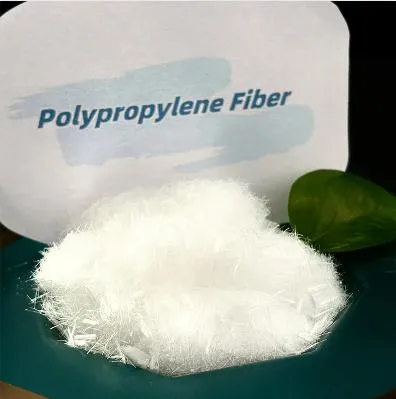
Monofilament polypropylene fiber, a remarkable advancement in the field of construction materials, serves as a pivotal component in modern infrastructure and industrial applications. Renowned for its unparalleled properties, these fibers have marked profound transformations across various domains, leveraging their superior quality, durability, and versatility. Polypropylene, a polymer-based material, formulates the foundation of these fibers, infusing them with characteristics that withstand stringent environmental conditions. Engineered for precision, monofilament fibers exhibit exceptional tensile strength and resistance to moisture, chemicals, and abrasion. This strength and resilience stem from meticulous manufacturing processes that align with rigorous industry standards, ensuring optimal performance in demanding situations. Industrial experts acknowledge the unique benefits of incorporating monofilament polypropylene fibers into concrete. One of the primary advantages is the enhancement of concrete's structural integrity. When mixed with concrete, these fibers intersperse evenly, preventing defects such as cracking, shrinking, and structural weaknesses that typically occur due to environmental changes or mechanical stresses. The fibers act as reinforcements, distributing stress across the structure, thereby enhancing its longevity and reducing maintenance costs over time. Incorporating monofilament fibers in construction projects has been validated by numerous case studies. For instance, highway infrastructures subjected to extreme weather conditions have shown significant improvements in durability and wear resistance with these fibers. Construction specialists have observed reductions in crack formations and increased tensile strength, demonstrating real-world applications where monofilament polypropylene fibers contribute effectively to extending the lifespan of concrete constructs. The environmental impact of construction practices necessitates a shift towards sustainable solutions. Monofilament polypropylene fibers support this transition by minimizing the dependency on traditional reinforcement materials like steel mesh or rebar . With a lower carbon footprint during production and application phases, they offer an eco-friendly alternative, aligning with global initiatives to reduce greenhouse gas emissions and preserve natural resources. Quality and safety standards upheld in the production of these fibers play a crucial role in establishing their credibility. Manufacturers adhere to strict guidelines to produce fibers that are consistent in size and performance, ensuring reliability across different applications. Their continued evolution is marked by innovations aiming to enhance efficiency and adaptability in various environmental conditions, further solidifying their position in the market as a trusted material for reinforcement. monofilament polypropylene fiber The versatility of monofilament polypropylene fibers extends beyond traditional construction applications. They find prominence in contemporary architectural designs that emphasize sustainability without compromising on aesthetic appeal. Lightweight yet formidable, these fibers enable architects and designers to explore innovative designs by allowing flexibility in form and surface finish. Moreover, monofilament polypropylene fibers are indispensable in specialized applications such as the construction of water-resistant structures, including swimming pools, water tanks, and marine constructions. The fibers’ inherent resistance to microbial growth and chloride ion penetration enhances the longevity and safety of such structures, proving essential in maintaining hygienic standards and reducing maintenance expenses. In agricultural and geotechnical engineering, these fibers are instrumental in erosion control projects, where they reinforce soil and provide stability to landscapes subject to erosion forces. Their application not only ensures the structural integrity of agricultural lands and geotechnical projects but also contributes to sustainable land management practices, promoting environmental conservation and land preservation. The trustworthiness of monofilament polypropylene fibers is reinforced by endorsements from leading civil engineering associations and their compliance with international standards in construction and safety. Industry professionals gravitate towards their use due to comprehensive research and data backing their effectiveness and efficiency. To ensure continued advancements in infrastructure, experts advocate for ongoing research and integration of new technologies that can complement the attributes of monofilament polypropylene fibers. Collaboration between industry, academia, and research institutions will play a crucial role in exploring novel applications and enhancing the effectiveness of these fibers in forthcoming projects. In conclusion, monofilament polypropylene fiber represents a significant leap toward innovative and sustainable construction practices. Its multifaceted benefits, underpinned by expert validation and environmental advantages, herald a new era where the construction industry can meet modern challenges through durable, reliable, and ecologically responsible solutions. These fibers not only stand as a testament to engineering excellence but also reinforce the future of infrastructure development on a global scale.
advantages
-

200000 Viscosities
Excellent product
We can produce pure products up to 200,000 viscosities
-

40000 tons
High yield
We don’t stop production all year round, and the annual output can reach 40,000 tons
-

24 hours
Quality service
We provide 24-hours online reception service, welcome to consult at any time
———— Inquiry Form
Schedule A services

-
 hpmc_full_form_in_pharma
Oct . 25, 2025
The unique behavior of starch ether in construction chemistry stems from deliberate modifications to -
 why_is_retaine_hpmc_out_of_stock
Oct . 25, 2025
When delving into the world of hydroxypropyl methylcellulose (HPMC), understanding the various grade -
 carbopol_powder
Oct . 25, 2025
In today’s fast-paced manufacturing and construction industries, the demand for sustainable and cost


